
The Columbus Pearls
Uncovering the First American Wealth: History, Pearls and Legacy
Caribbean Pearls - The First Natural Pearl Trade of the Americas
The Caribbean pearl fisheries were not the only natural pearl sources in the Americas. Later Europeans would encounter major pearl resources in Mexico and freshwater pearl-bearing rivers such as the Mississippi. But the Pearl Coast of the Southern Caribbean was among the first American pearl regions encountered, exploited, and commercialized by Europeans after Columbus’s third voyage in 1498.
Introduction
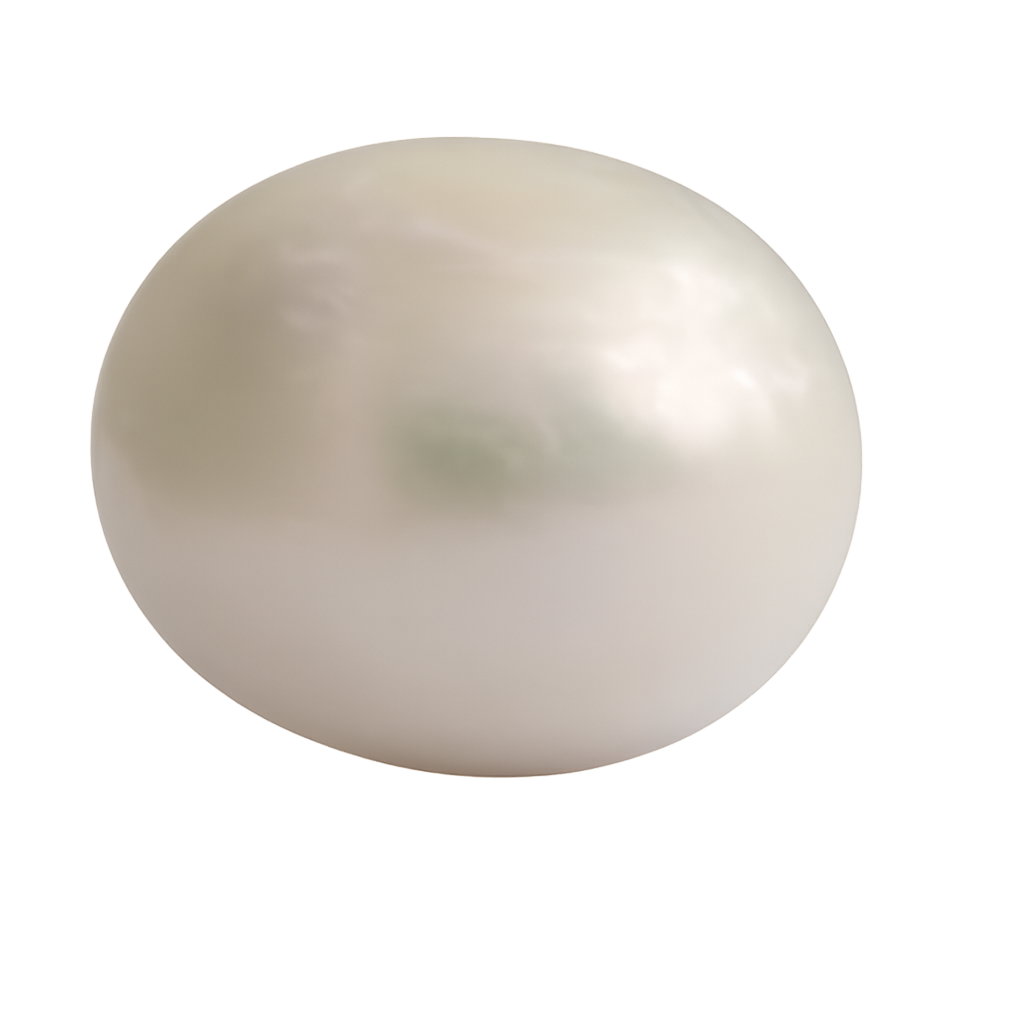
In August 1498, Christopher Columbus encountered Indigenous communities along the coast of present-day Venezuela wearing beautifully drilled natural pearls. Struck by their abundance, he described the region in glowing terms, convinced he had reached a land of extraordinary riches—even a paradise blessed by God.
His words sparked far more than curiosity. Within only a few years, the Caribbean pearl fisheries had drawn explorers, merchants, and fortune seekers from across the Atlantic, transforming a remote island into one of the wealthiest places of its time. The pursuit of pearls reshaped exploration, commerce, and navigation, leaving an imprint on history that extended far beyond the Caribbean.
Today, those events can be explored through one remarkable assemblage of natural pearls. The Columbus Pearls Project brings together archaeology, history, and scientific research to tell the story of the people who treasured them, the civilizations they touched, and the world they helped transform.
The Columbus Pearls Project
The Three Voyages — and the One That Changed Everything
Most people know the broad outline of Columbus’s voyages. The first voyage of 1492 brought three ships across the Atlantic to islands Europeans had never before described. Columbus believed he had reached the outer edges of Asia. He had not. He had encountered lands entirely unknown to European geography.
The second voyage was something different entirely. Seventeen ships crossed the Atlantic carrying soldiers, clergy, craftsmen, livestock, seeds, and administrators. Spain was no longer exploring. It was attempting to establish a permanent colonial foothold. Yet the gold Columbus had promised remained elusive. Hispaniola was unstable, expensive, and increasingly difficult to justify to a Crown that expected returns on its investment.
It was the third voyage, in 1498, that transformed the equation.
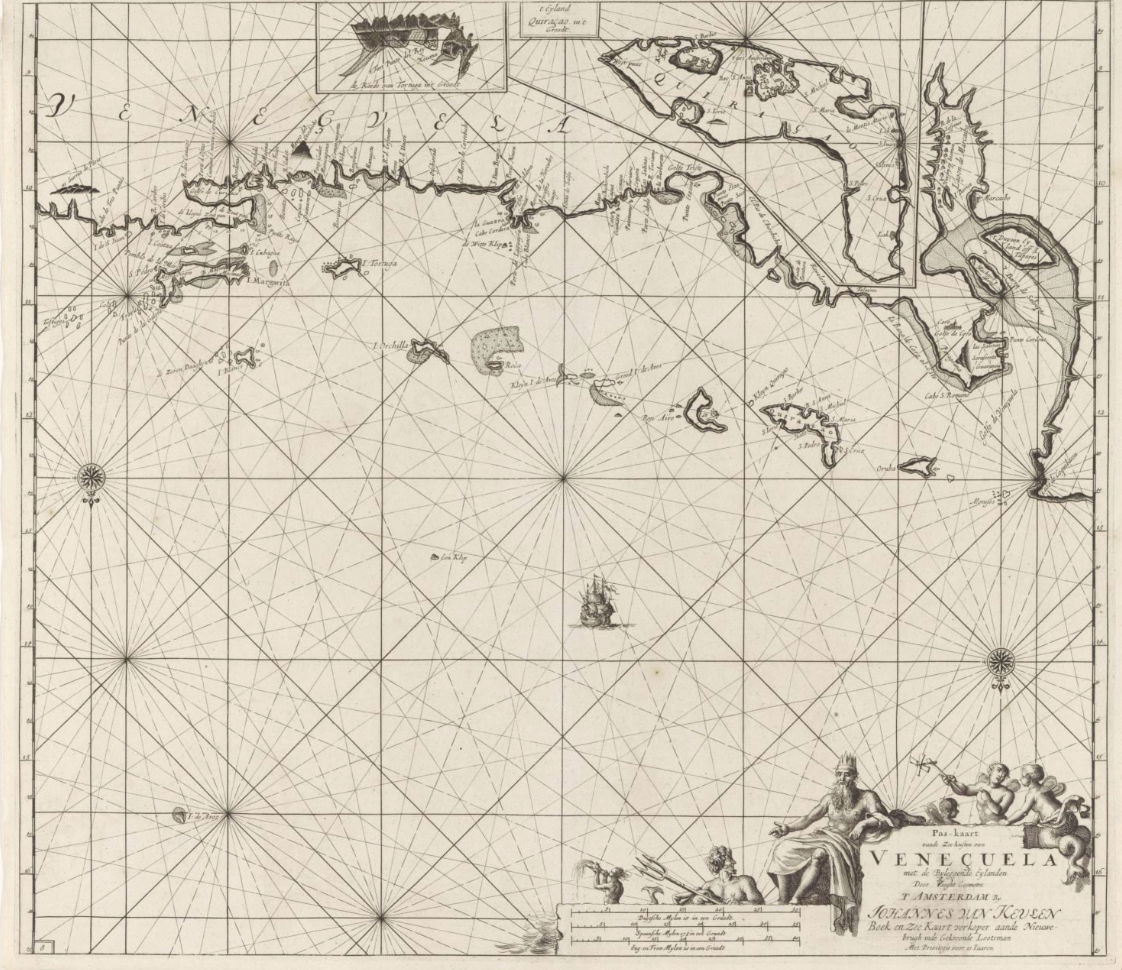
On the morning of August 1, Columbus’s ships entered the violent strait between Trinidad and the South American mainland, where immense volumes of freshwater collided with the sea. The currents were unlike anything Europeans had previously encountered in the Caribbean. Columbus immediately understood that no island could produce such a force. A few days later, observing the immense outflow of the Orinoco River, he concluded that he had reached a previously unknown continental landmass. “Yo estoy creído que esta es tierra firma, grandísima, de que hasta hoy no se ha sabido” — “I believe this is a very large continent which until now has remained unknown.”
He named the passage the Boca del Sierpe — the Serpent’s Mouth. He called the surrounding region Tierra de Gracia — the Land of Grace. And sailing through it, Columbus reached the Paria Peninsula, becoming the first documented European to land on the mainland of South America.
Then the people he encountered showed him their pearls.
The Catalyst
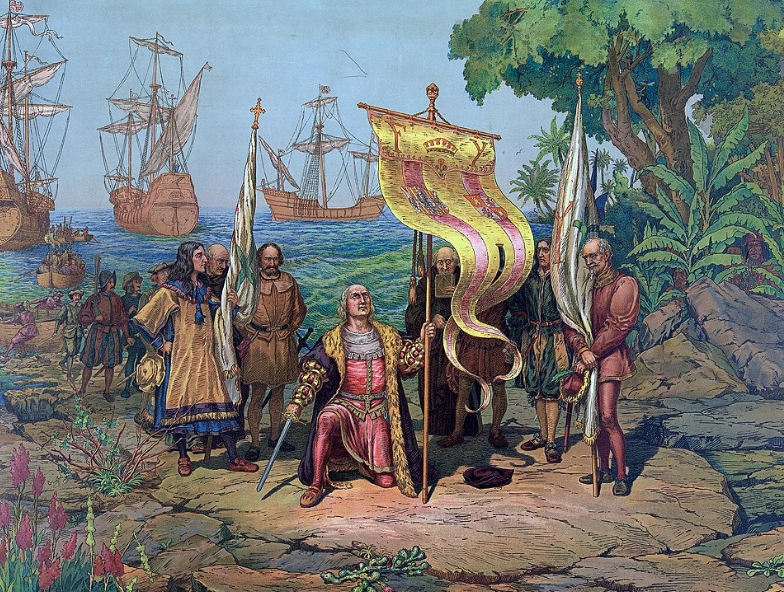
For thousands of years, the Indigenous peoples of the Gulf of Paria treasured natural pearls as symbols of beauty, status, and cultural identity, carefully drilling and wearing them as necklaces and ornaments. When Christopher Columbus encountered these pearls in 1498, he immediately recognized their extraordinary value, describing their abundance to Ferdinand and Isabella with unmistakable enthusiasm.
Just two years later, Pedro Alonso Niño returned to Spain with ninety-six pounds of declared pearls—the first unquestionably profitable cargo from the New World. News of this remarkable discovery spread rapidly across Spain, inspiring merchants, explorers, and entrepreneurs to cross the Atlantic in search of a treasure unlike any Europe had ever known. Cubagua soon became the center of the world's first great Atlantic resource boom, transforming a small Caribbean island into one of the wealthiest settlements of its age.
The Caribbean pearl fisheries became one of Spain's earliest and most profitable American industries, helping finance imperial expansion while pioneering commercial, administrative, and maritime systems that would shape the emerging Atlantic world. They also influenced events far beyond Cubagua, contributing to the circumstances surrounding Juan Ponce de León's voyage to Florida, during which the Gulf Stream was identified—forever changing transatlantic navigation.
Like many periods of extraordinary prosperity, however, success carried a heavy price. Intensive harvesting exhausted the once-abundant pearl oyster beds, Indigenous communities suffered devastating losses, enslaved Africans were brought to replace declining labor populations, and the prosperous city of Nueva Cádiz was ultimately abandoned.
Long before gold and silver transformed the Americas, it was the Caribbean pearl fisheries that first demonstrated both the immense promise and the profound consequences of Europe's encounter with the New World.
The Forgotten Discovery — and Why It Matters
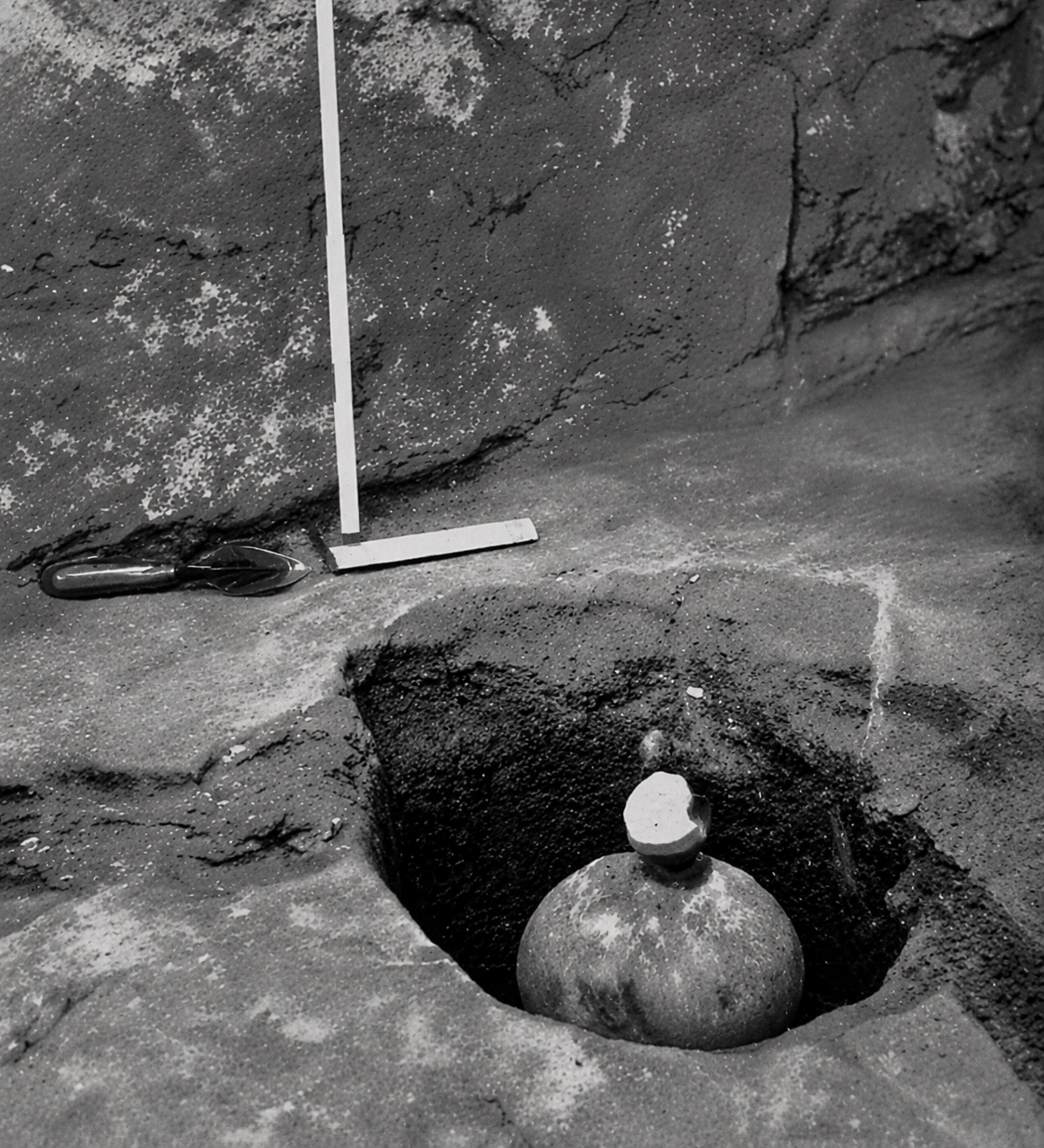
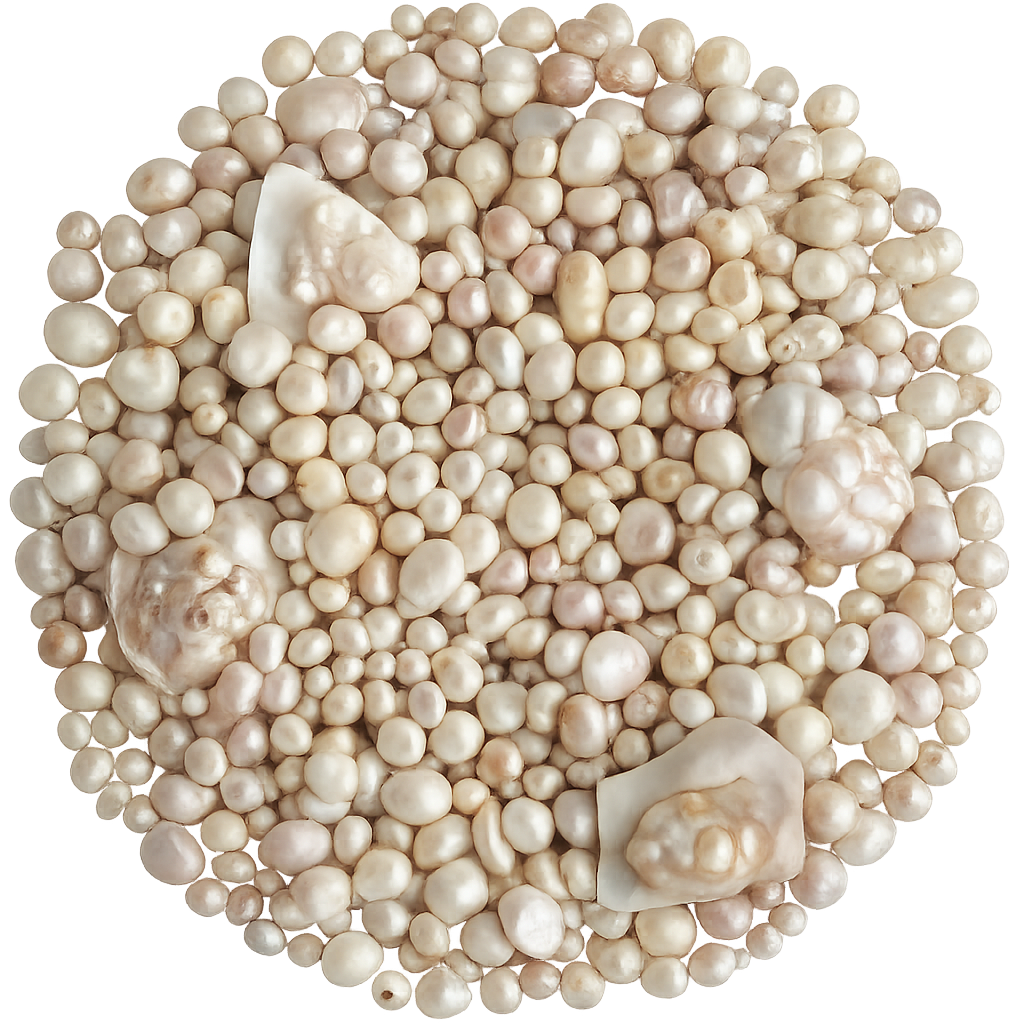
In December 1954, archaeologists excavating the ruins of Nueva Cádiz, the world's first city built on pearl wealth, uncovered a buried ceramic vessel filled with natural pearls. Many were drilled by Indigenous craftspeople centuries before European contact, preserving tangible evidence of one of the earliest and most important pearl fisheries in history. The discovery attracted considerable attention at the time, yet remarkably, it soon disappeared from public view.
Decades later, a remarkable assemblage of natural pearls resurfaced together with eyewitness accounts, archival records, and historical evidence pointing to a possible connection with the 1954 discovery. Although that connection remains the subject of ongoing research, the pearls themselves have undergone extensive scientific examination, including radiocarbon dating and gemological analysis, placing them firmly within the era of the early Caribbean pearl fisheries. They have been exhibited internationally, studied by leading gemological institutions, and recognized as one of the most extraordinary collections of archaeological natural pearls known today.
These pearls are more than exceptional artifacts. They are surviving witnesses to the birth of the Atlantic world—to the rise of global commerce, exploration, cultural exchange, and the events that reshaped continents.
The Columbus Pearls Codex brings together that evidence and tells, for the first time, the remarkable story these pearls have carried for more than five centuries.
Mission
The mission of The Columbus Pearls is to document, preserve, and share the history, science, and cultural legacy of the early Caribbean pearl fisheries and their role in the formation of the Atlantic world.
Through ongoing historical research, scientific analysis, archival investigation, and public education, the project seeks to make this material freely accessible to scholars, students, museums, and readers worldwide.
The research presented through this initiative remains entirely independently and privately funded.
Vision
The vision of The Columbus Pearls is to establish the most comprehensive public archive dedicated to the history, science, and legacy of the early Caribbean pearl fisheries and their global historical impact.
Conceived as a long-term and evolving research initiative, the project continues to expand through ongoing interdisciplinary study, scientific collaboration, and independently funded investigation.